
1996
Carymoor Environmental Trust is founded by Hamish Craig, who leases an area of a capped landfill site from Wyvern Waste for habitat creation. Hamish, a retired teacher, is keen to use the landfill site as a tool to teach young people about living more sustainably. School groups begin to come to the site to see the working landfill. Jon Pring at Wyvern is instrumental in getting the project underway. Jon is still a trustee to this day.
1997
The landfill is capped with 1 metre of clay and this is the basis for Carymoor to begin its habitat creation work, starting with planting hedging for a traditional field system. TV presenter and naturalist Chris Packham helps to launch Carymoor and comes in to work with school children.
2000
A main centre building is constructed to make visiting the site a more comfortable experience. Designed by local architect James Godden, the building is designed to demonstrate a range of sustainable features, such as solar hot water, photovoltaic shingles and locally-sourced materials.

2000
11 universities and colleges establish research plots on the capped landfill using the brownfield land to experiment. A land management plan is established to develop a mosaic of different wildlife habitats including grassland, wetland and woodland
2001
Working with the Butterfly Conservation Trust, a large chalk bank in the shape of a dragon is established and planted up with plants to attract butterflies. Over 30 species of butterfly have been recorded at Carymoor, including the Small Blue and Brown Hairstreak. A regular butterfly transect is carried out to monitor the number and type of butterflies on the site.
2001
The remaining area of the first phase of the landfill at Dimmer is completed and is passed to Carymoor for restoration. This first phase of the landfill is 100 acres in size and comprises 2 million m3 of waste, mostly from households in the Mendip and South Somerset region, and takes 30 years to complete.

2002 to 2011
Carymoor becomes the home of the Somerset Waste Action Programme, an outreach education team funded by the local authorities in Somerset, who over the course of 9 years visit every school in Somerset. The team of 6 give thousands of talks and workshops to bring the ‘Reduce, Reuse, Recycle’ message to life for schools and community groups in Somerset.
2002
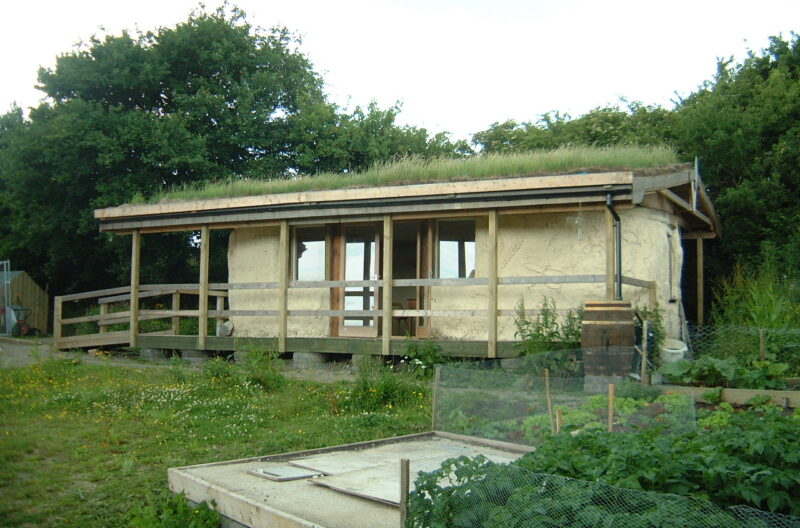
A strawbale building is constructed as an additional classroom space and as a base for Carymoor’s conservation volunteers, who play a vital role in managing the land.
2003
The Carymoor orchard is established with 38 different apple trees, most of which are part of Somerset’s orcharding heritage.
2004
Carymoor leases an additional field named ‘Upper Dauncey’ to extend the size of the reserve and to include some nonlandfill land. A project to develop two regular plots of bird forage is developed with Somerset Ornithological Society to provide seed for over-wintering bird life. A large-scale willow plantation is also established to provide a habitat and craft willow for school visits. Barn owl boxes are put up and regularly used.
2006
As the habitats mature at Carymoor, the potential for wildlife themed education increases. For the first time Wild Days Out are offered, giving children the opportunity to have first-hand experiences of local wildlife on the species rich nature reserve.
2006
Viridor buys Wyvern Waste and takes on ownership of the Dimmer site. Viridor continues to support Carymoor with an annual sponsorship agreement.
2008
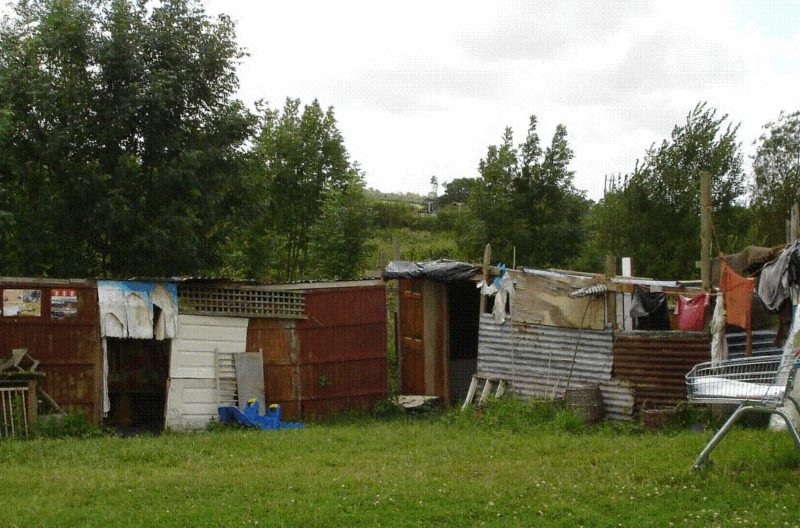
Kroo Bay, Carymoor’s replica shanty town, is established in a joint project with Save the Children. Based on Kroo Bay in Sierra Leone, the shanty town gives children the opportunity to experience life in a different part of the world, and consider their everyday needs and luxuries.
2009
Carymoor neighbours, Dave and Helen Boyer, transform two fields adjacent to the Carymoor reserve into a woodland and wetland. The reserve becomes part of the same Local Wildlife Site as Carymoor, extending the value and impact of the site.
2011
A bronze-age style roundhouse is constructed at Carymoor. In addition to being a sustainable construction, the roundhouse is used to provide hands-on history days to give children a taste of Celtic life!

2014
Working with Somerset Archaeological and Natural History Society (SANHS) Carymoor runs its first bioblitz event, a 24 hour wildlife stocktake of the site. Experts from a variety of organisations come in and monitor over 450 different species.
2015
Working in partnership with the Bumblebee Conservation Trust, a new meadow is established to try and attract the declining Shrill Carder Bee to the site. A regular bee transect walk is started to record the number and type of bees on the site.
2016
Carymoor and Viridor win the Biodiversity Benchmark award from the Wildlife Trusts, celebrating the wildlife value of the nature reserve.
2017
Our ‘Going Underground’ interactive tunnel experience opens its doors and we celebrate 21 years of Carymoor Environmental Trust.

2020
Phase 2 of the Dimmer landfill site is completed. Viridor opens a new Waste Transfer Station where waste is bulked up before being taken to an Energy from Waste plant in Avonmouth.
2021
Carymoor celebrates its 25th anniversary!
2022
Carymoor was awarded a grant of £96k from the Government’s Green Recovery Challenge Fund. The project will involve creating a woodland / scrub habitat for the nightingale at Carymoor, a bird that is globally threatened and on the conservation red list.
2023
Biffa offers sponsorship of Carymoor.
2024
A new, accessible, toilet block is installed to improve facilities for our volunteers and learners from Able2Achieve. The facilites were funded by Somerset Community Foundation and the National Lottery Reaching Community Fund.

2025
A two year pollinator project to create new habitats and improve connectivity for key butterfly and bee species is funded by Garfield Weston and Bumblebee Conservation Trust.
2026
Carymoor celebrates its 30th anniversary with a year of special events. Our Open day on 8th August was fully booked and over 250 people came to explore the site, many visitors had not been here before. The day was opened by our local MP, Sarah Dyke – seen below with Chair Chrissi Kennedy, staff, and volunteer John (seated) who made a beautiful commerative bench.

